
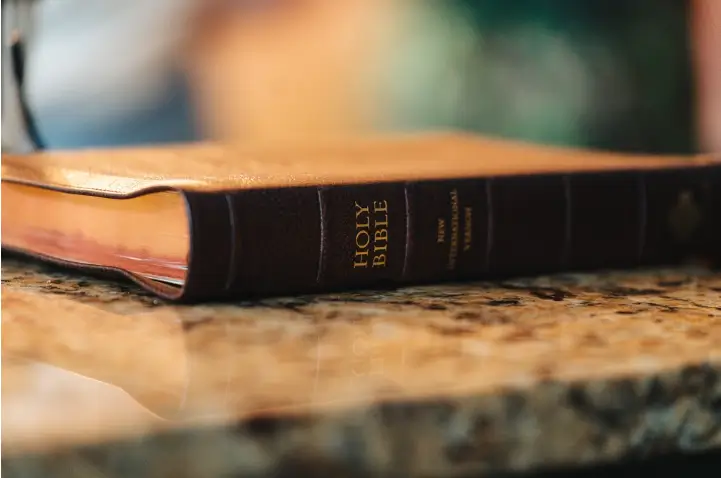
Leather-bound Bibles have been the preferred format for preserving and engaging with Scripture for centuries. Their durability, craftsmanship, and symbolic weight set them apart from other formats – not just as books, but as objects of devotion that believers have carried, annotated, and passed down through generations. The history behind leather binding traces back to the earliest days of Christianity, shaped by the same reverence for God’s Word that drives readers and gift-givers to choose leather editions today.
Origins in Early Bookmaking
The tradition of binding sacred texts in leather dates back to the early centuries of Christianity. Before the printing press enabled mass production, Bibles were painstakingly copied by hand, often featuring careful script and intricate designs. Early Christians were among the first to widely adopt the codex format, a bound collection of pages, over scrolls, allowing for easier navigation between passages.
While early biblical texts were written in Greek, Hebrew, and Aramaic, later translations expanded access to Scripture. One notable example was the Wycliffe Bible. Produced in 1382 by skilled artisans, it was one of the first complete translations of the Bible into English. Like earlier manuscripts, these copies required months, if not years, to produce.
To produce these valuable texts, durable materials were essential. Leather, particularly calfskin, became a preferred choice for covers and bindings due to its strength and flexibility. Early codices often featured leather covers designed to safeguard fragile pages made from parchment or vellum, preserving the text for teaching, worship, and study.
These early bindings reflected the immense value placed on Scripture by early Christians, as well as the dedication to protect it.
Influence of the Printing Press
The invention of the Gutenberg printing press marked a turning point in the history of the Bible. By arranging individual metal type, Johannes Gutenberg could produce a complete Bible in a fraction of the time required by artisans.
The Gutenberg Bible, often called the 42-line Bible, was completed in 1454. It was the first major Western book printed with movable type, and fewer than 200 copies are believed to have been produced. Most were sold unbound, allowing owners to commission custom covers suited to their personal style and library.
Surviving Gutenberg Bibles feature covers made with calfskin and pigskin, often adorned with hand-tooled designs. These details highlight how leather remained a central feature, even as production methods evolved.
The impact of the Gutenberg Bible was far-reaching. For the first time, scripture could be reproduced at scale, making the sacred text more accessible to clergy and, eventually, to laypeople.
During and after the Protestant Reformation, believers were encouraged to read Scripture for themselves for the first time. Demand for Bibles increased. The sacred text that had once been largely confined to churches and monasteries now began to appear in family homes.
Leather remained a material of choice for personal Bibles, especially for higher-quality editions. Its durability allowed the text to be read, handled, and preserved over time. In many cases, a family Bible became a cherished heirloom, passed through generations of believers.
Symbolism of Leather Binding
Beyond its practicality, leather carries rich symbolism. It represents strength, endurance, and longevity, qualities often associated with the Word of God.
For many believers, a leather-bound Bible signifies:
- A lifelong companion. A well-made leather-bound Bible becomes worn and marked through years of use without losing its strength. Each crease and annotation becomes part of the reader’s spiritual story.
- A personal connection. Notes, highlights, and memories embedded in the pages of the Bible connect the reader to the text – a practice with its own rich tradition, from annotating scripture to formal citation.
- A link to tradition. Building on the legacy of generations who valued and preserved Scripture, a leather Bible connects the reader to a community of faith stretching back centuries.
Over time, these associations have elevated leather-bound Bibles from functional objects to deeply meaningful keepsakes and personal companions.
Craftsmanship and Quality
Today, leather-bound Bibles are available in a range of materials and qualities, from bonded leather to premium full-grain and top-grain options.
Higher-quality editions are designed with both durability and usability in mind. Features often include:
- Smyth-sewn bindings for long-term strength and the ability to lay flat
- Flexible, full-grain covers made of goatskin or calfskin
- Gilded or art-gilt covers and page edges
- Ribbon markers to aid in navigation and study
- Thumb indexing for quick reference
These details enhance the beauty and functionality of modern Bibles, impacting their reading experience and longevity and making them suitable for both daily use and special occasions.
Frequently Asked Questions About Leather-Bound Bibles
What is the difference between bonded leather and genuine leather Bibles?
Bonded leather is made from leather scraps and fibers bound together with adhesive, making it less durable and more prone to cracking over time. Genuine leather, particularly full-grain or top-grain goatskin or calfskin, is made from a single continuous hide and will last significantly longer with regular use. For a Bible intended for daily reading or as a lasting gift, genuine leather is worth the investment.
How long does a leather-bound Bible last?
A high-quality genuine leather Bible with a Smyth-sewn binding can last decades and often a lifetime with basic care. Many family Bibles passed down through generations are leather-bound editions. Bonded leather Bibles typically show wear within a few years of regular use.
What makes a leather-bound Bible a good gift?
Leather-bound Bibles are well-suited to significant life milestones – baptisms, confirmations, graduations, weddings, and ordinations – because they are built to last. A personalized leather Bible, particularly one with a name or date embossed on the cover, becomes a keepsake that connects the recipient to their faith over a lifetime rather than a single occasion.
What should I look for when choosing a leather-bound Bible?
The most important factors are binding type, leather quality, and readability. Smyth-sewn bindings allow the Bible to lay flat and hold up to frequent use. Full-grain leather covers age well and develop character over time. Inside, look for a readable font size, reference margins, and ribbon markers if the Bible will be used for study.
Are digital Bibles replacing leather-bound editions?
For many believers, no. While apps and online platforms have made Scripture more accessible than ever, physical Bibles – and leather-bound editions in particular – continue to hold a distinct place in personal devotion and worship. The tactile experience of reading, marking, and returning to a well-worn Bible carries a meaning that a screen cannot replicate.
A Continuing Tradition
While many modern believers engage with Scripture through apps and online platforms, physical Bibles continue to hold a unique and meaningful place in the lives of Christians. That same reverence for Scripture shapes the books believers choose to read alongside it – and what sets faith-based literature apart from other inspirational works.
Leather-bound Bibles are often selected for significant milestones such as baptisms, confirmations, weddings, and ordinations. Given as gifts, they are intended not just for immediate use, but for a lifetime, loved and cherished from one generation to the next.
This enduring appeal reflects a deeper truth: while the format of Scripture may evolve, the desire to honor, preserve, and engage with God’s Word remains unchanged. For authors called to add to that tradition through their own faith-based writing, working with Christian Faith Publishing is a meaningful next step.